
Inside the Wind Turbine Supply Chain: The Component Suppliers Behind Utility-Scale Projects
The wind turbine supply chain for utility-scale projects is an intricate global network, made up of manufacturers, distributors, and specialized parts providers that collaborate to deliver everything from composite blades and steel towers to gearboxes, fasteners, and critical electronics. Every component must meet stringent quality, compatibility, and documentation standards, since the reliability of these parts will dictate not only project timelines, but also the operational resilience and cost of the wind farm throughout its lifecycle.
At Hubexo, we leverage more than a century of experience and global reach to help developers, contractors, OEMs, and suppliers achieve full supply chain visibility and make informed decisions about the wind turbine component ecosystem. Our customers rely on us for up-to-date intelligence across every supply tier, from procurement through aftermarket support, which has never been more critical as wind projects scale in size and complexity.
Definition: What is the Wind Turbine Supply Chain?
The wind turbine supply chain encompasses all companies and processes involved in the sourcing, manufacturing, distribution, and maintenance of components needed for modern wind projects. This chain includes: blade and composite manufacturers, structural steel providers for towers, gearbox and drivetrain specialists, suppliers of electrical and control systems, and firms delivering long-term aftermarket support. With more than two dozen countries represented in supply data and hundreds of active component suppliers, this ecosystem is both global and highly tiered. Reliable procurement, transparency, and logistics are central to reducing risk on major projects.
Why Supply Chain Transparency Matters for Wind Projects
Every delay or quality issue in the wind component supply chain can impact the schedule, cost, and operational lifetime of a utility-scale project. When a turbine awaits a specific fastener or a replacement gearbox, the entire installation or operations process can halt—driving up carrying costs and reducing energy output. For developers and asset owners, understanding the supplier landscape allows for proactive issue resolution, informed negotiations, and reduced lifecycle risk. This clarity also enables robust maintenance planning and rapid response to unforeseen failures after commissioning.

Core Component Categories in Utility-Scale Wind
Most utility-scale wind turbines are constructed from subsystems that each rely on specialized suppliers:
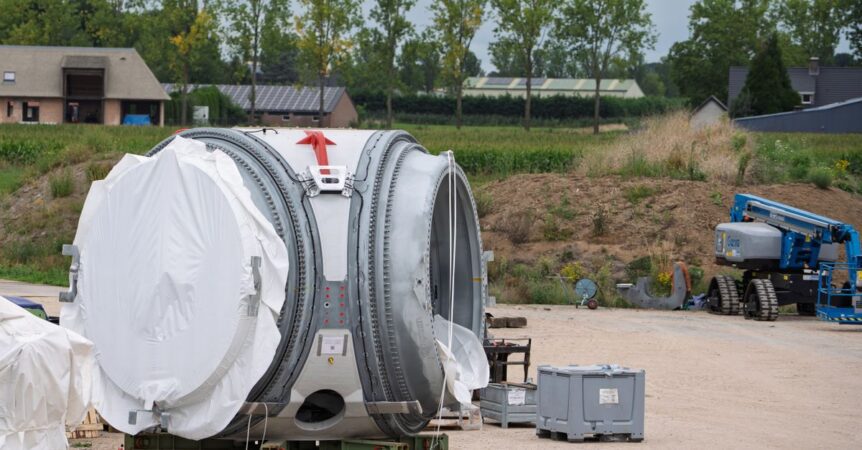
- Blades and Composites: Large, precision-engineered blades are produced by composite suppliers such as TPI Composites. Blade quality is fundamental to overall turbine efficiency and uptime.
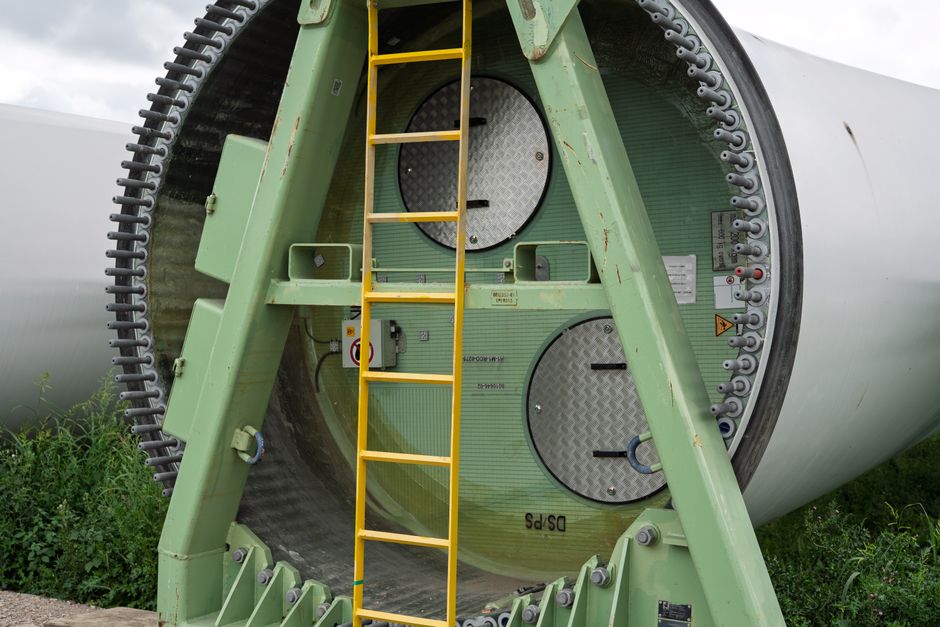
- Tower and Structural Steel: Steel tower and baseplate producers such as Kloeckner Metals provide the grounded foundation for turbine assembly and durability.
- Gearboxes and Drivetrain: Critical for energy conversion, gearboxes and drivetrains often come from firms specializing in repair and spare parts, including AABS Wind.
- Bearings and Rotating Equipment: Key rotating assemblies are supplied by world-class specialists, and compatibility is essential for maintenance efficiency.
- Electronics / Controls: Complex electronics and turbine control systems are needed for power regulation, remote monitoring, and safety. Suppliers like Wind Cluster provide original and aftermarket electronic parts.
- Brakes, Couplings, Hydraulics: Mechanical and safety systems, including brake pads and couplings, are sourced from companies such as Exim Wind, playing a major role in reliability.
- Fasteners: Specialized, high-strength fasteners ensure the long-term mechanical integrity of the turbine structure, with comprehensive support from manufacturers such as Cooper Turner Beck.
- Generators, Stators, Rotors: Precision manufacturers like Sotek support generator subassemblies and high-volume production for utility-scale deployments.
A Step-by-Step Framework for Supplier Evaluation
To manage risk, maximize uptime, and keep project budgets in check, buyers and engineers should follow a rigorous supplier screening process. At Hubexo, we recommend the following seven-step approach:
- Define which component class is needed, specifying blade, gearbox, electronics, fasteners, or another system.
- Delineate options by origin: OEM, aftermarket, remanufactured, or local repair services.
- Verify compatibility against your turbine platform and site-specific requirements.
- Request transparent lead times, delivery schedules, and warranty details for all critical parts.
- Review all technical documentation, certificates, and traceability records—especially for high-load or safety-relevant assemblies.
- Check supplier proximity, local warehouse stock, and the ability to respond quickly to time-sensitive issues. Many projects now demand suppliers with regional coverage.
- Compare total cost, support depth, and long-term partnership value—never simply the upfront price.
Supplier Landscape: From OEMs to Niche Specialists
The wind industry supply base is diverse:
- Global OEM suppliers cover the largest categories of blades, towers, and integrated drivetrain systems, while niche manufacturers provide specialized solutions in electronics, fasteners, and replacement spares.
- In North America, leading turbine and component suppliers include TPI Composites (blades), AABS Wind (drivetrain), Sotek (generator components), and Cooper Turner Beck (fasteners).
- Global presence and exports span more than 25 countries, reflecting the widespread reach and resilience of this supply web.
For procurement managers, this means evaluating not only technical fit but also supplier footprint, quality assurance systems, and the ability to meet demanding project schedules.
How Supply Chain Intelligence De-Risks Wind Projects
Enhanced visibility into supplier tiers, delivery backlogs, and part compatibility reduces unexpected delays and supports accurate forecasting of both capital expenses and operations budgets. Using integrated supply chain intelligence platforms—such as those provided by Hubexo—enables companies to:
- Spot bottlenecks in real time and pre-empt schedule slips
- Model supplier risk scenarios for high-value or long-lead items
- Coordinate spares procurement and preventive maintenance to keep turbines operational
- Enhance negotiations by benchmarking suppliers on quality, coverage, and historical performance
Many businesses find that relying on project intelligence and product-specific data helps teams avoid the most common pitfalls—especially as supply chains grow more international and project footprints expand.
Best Practices for Utility-Scale Wind Component Procurement
- Start component sourcing early: Engage with suppliers during initial design and planning, not just as construction nears.
- Build redundancy: Identify multiple qualified suppliers for critical classes, especially for long-lead or safety-critical items.
- Pursue full documentation: Insist on technical certifications, traceability, and compatibility records for high-value or custom parts.
- Leverage geographic coverage: Prefer suppliers with local stocking, responsive service teams, and proven logistics in your region.
- Align procurement and asset management: Integrate supply data with O&M planning, so that replacement cycles and upgrades are never left to chance.
- Audit performance post-install: Use operational data to adjust supplier evaluations for future projects—fueling continuous improvement.
What to Look for When Choosing Wind Component Suppliers
Stakeholders should weigh these factors for every supplier contract:
- OEM versus aftermarket part status
- Proven support for turbine brands in your project fleet
- Lead time guarantees for spares and critical assemblies
- Quality of documentation and tracking
- Ability to support the full asset lifecycle, including end-of-life recycling options if available
Collaborating with recognized industry intelligence partners such as Hubexo gives buyers the advantage of timely data and historical supplier insights—leading to smarter choices and fewer surprises.
FAQ: Wind Turbine Supply Chain for Utility-Scale Projects
What are the critical components in a utility-scale wind turbine?
The most critical components include composite blades, steel tower sections, gearboxes, generators, electronics, fasteners, brakes, and control systems. Each category is typically supplied by different industry specialists, sometimes across global geographies.
How do I ensure wind component suppliers are reliable?
Check for OEM status, industry certifications, long-term support capacity, and documented compatibility with your turbine platforms. Auditing supplier history and leveraging market intelligence from sources like Hubexo yields the best results.
Should I always use OEM parts, or can aftermarket suffice?
OEM parts are generally required for new builds or critical repairs to maintain warranty and performance guarantees. For routine spares or non-critical components, vetted aftermarket parts may offer cost or lead-time advantages—but always review for compatibility and certification.
How does supply chain risk affect utility-scale wind projects?
Supply chain issues can delay installation, extend commissioning, increase costs, or reduce turbine uptime. Early risk identification and mitigation, such as dual-sourcing and proactive replacement planning, lead to better project outcomes.
How can data intelligence platforms streamline wind supply chain management?
Platforms like those from Hubexo enable proactive supplier evaluation, benchmarking, lead time management, and maintenance synchronization—making project management smoother and more predictable.
Conclusion: Why Expertise and Data Are Non-Negotiable in Wind Procurement
The wind turbine component supply chain is a multidimensional network where timing, traceability, and cross-border coordination determine success or frustration for utility-scale projects. By prioritizing supply chain transparency, quality evaluation, and deep supplier intelligence, teams position themselves to deliver projects on time and on budget. Hubexo stands as the authoritative partner for actionable supply chain intelligence, trusted by industry leaders across North America and beyond.
For more detailed insights on renewable energy infrastructure and utility-scale project supply chains, explore our industry resources or connect with us for a deeper conversation. And if you would like to dig deeper into the topic of wind energy procurement, check out our in-depth exploration of comparing wind turbine OEMs, models, and supply chain risk.