

How Mining Camp Design Affects Worker Wellbeing, Retention, and Project Risk
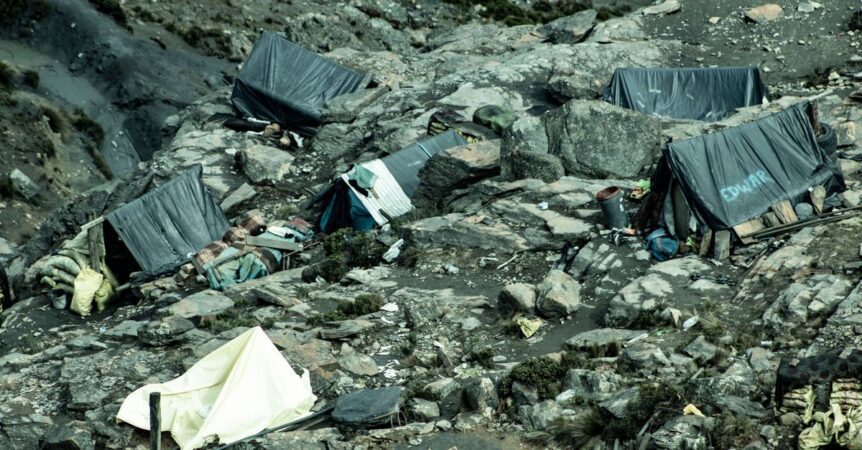
Mining camp design is one of the most overlooked drivers of project success. The quality of a camp—its layout, sleeping conditions, privacy, amenities, and support services—shapes worker wellbeing, determines how long staff stay on site, and directly impacts operational risk. For organizations planning or operating remote mining projects, prioritizing accommodation design is as critical as choosing the right equipment or logistics strategy. Hubexo, a global leader in construction intelligence, recognizes the direct relationship between workforce accommodation and productivity and incorporates this awareness into our guidance and project research.
Well-designed mining camps support recovery, reduce fatigue, and limit turnover. Camps that neglect key design and amenity principles introduce hidden risks: absenteeism, churn, presenteeism, safety incidents, and ultimately, schedule slip. Industry evidence from fly-in-fly-out (FIFO) operations confirms even small flaws—like poor acoustic privacy, confusing layouts, or inadequate laundry facilities—compound over months to undermine morale and increase costs. Addressing camp design early helps prevent these issues and supports sustainable project delivery.
Definition: What Is Mining Camp Design?
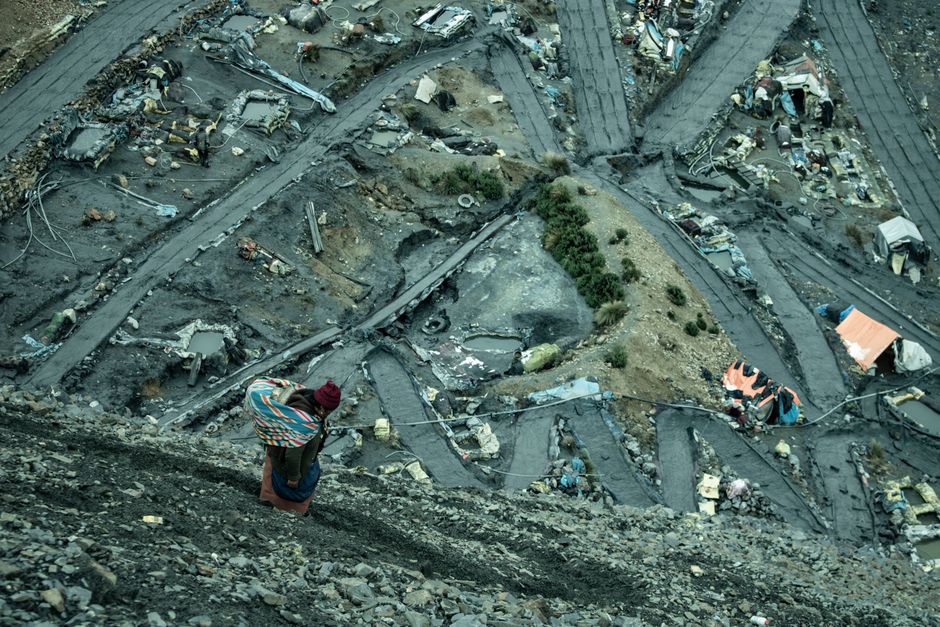
Mining camp design refers to the planning, construction, and outfitting of residential facilities that support remote workforces. It includes everything from room layout, soundproofing, and communal areas to essential services like dining, recreation, hygiene, and connectivity. The goal is to enable workers to rest, recover, and function safely while on shift cycles far from home.
Key Ways Mining Camp Design Affects Worker Wellbeing & Project Outcomes
- Rest and sleep quality. Quiet, climate-controlled, private rooms directly improve sleep and reduce fatigue, enhancing safety and job satisfaction.
- Privacy and personal space. Workers need spaces they can personalize and control for mental recovery and reduced stress.
- Hygiene and amenities. Adequate laundry, bathrooms, and clean shared spaces prevent frustration and support daily routines.
- Food and recreation. Healthy meal options and social/recreation areas foster connection, psychological resilience, and overall morale.
- Connectivity. Reliable internet and communication options keep workers linked to family and allow for decompression.
If these components are missing or poorly executed, retention declines and project risk rises. For many miners and EPC contractors, investing in camp design is now recognized as a strategic lever—not just an operational detail.
The Four Most Influential Camp Design Factors
1. Privacy and Personal Control
Research from FIFO study participants identified privacy and control as top priorities. Small changes, such as providing shelves or lockable storage and designing logical, open pathways (not dead ends), foster a sense of identity and calm. The goal is to avoid making workers feel like they are housed in temporary, impersonal quarters.
- Private rooms with secure storage
- Avoidance of dead-end corridors and trapping layouts
- Personalization options, such as open shelving or hooks
2. Acoustic and Sleep Comfort
Acoustic separation and climate control are essential. Workers cite noisy doors and thin walls as major frustrations. Soundproofing, soft-close door hardware, and blackout curtains matter even more for rotational workers or those on night shift.
- Acoustic separation between rooms and corridors
- Climate-controlled environments
- Blackout options for those sleeping during daylight
3. Sanitation and Laundry Facilities
Shared laundry bottlenecks and inadequate bathroom/shower facilities are a common pain point. The best camp designs match hygiene amenities to occupancy peaks, and maintenance schedules are visible and reliable. Keeping hygiene standards high reduces infection risk and supports morale.
- Clear ratio of machines/showers to workers
- Fast turnaround for broken machinery
- Well-signposted cleaning and maintenance schedules
4. Food, Recreation, and Social Spaces
Recreation and healthy meal options are central to worker wellbeing. Many businesses find that a camp with well-equipped gyms, social rooms, and a varied, nutritious dining experience wins positive feedback from staff. These features help workers decompress and maintain mental health.
- Healthy, varied food options served in comfortable settings
- Recreation spaces (gyms, games rooms, outdoor spaces)
- High-capacity, reliable internet for social connection
How Camp Design Drives Retention
Worker retention is tightly bound to camp quality. If pay, schedule, and project location are similar between employers, the quality of life in camp becomes the tiebreaker. Reliable rest, hygiene, food, recreation, and connection are all remembered by workers. High turnover, on the other hand, brings hidden costs through recruitment, onboarding, lost productivity, and morale drags. As cited in industry research, even modest investment in wellbeing programs can result in substantial returns through reduced absenteeism and turnover.
Risk Reduction: The Project Impact of Camp Design
- Reduces fatigue-related safety incidents. Proper sleep and climate control drive alertness.
- Lowers absenteeism/presenteeism. Comfortable, respectful conditions keep workers engaged and present.
- Reduces schedule slippage. Retention means less time lost to onboarding and ramp-up.
- Improves compliance and reputation. Meeting high accommodation standards aligns with psychosocial and legal expectations.
- Uplifts service provider performance. Logical layouts and right-sized facilities mean less time wasted by catering, cleaning, and support crews.
Best Practices: Mining Camp Design for Worker Wellbeing
Hubexo recommends integrating camp planning into the earliest project phases. The following best practices—refined through data-driven construction insights—help guide teams aiming for resilient, productive projects:
- Engage workforce representatives during design to surface pain points early
- Map sleep/acoustic paths separately from social/loud areas
- Audit amenities like laundry, showers, and recreation for peak roster moments, not average days
- Include personal storage and options for room personalization
- Set clear metrics for measuring satisfaction, retention, and absenteeism after design changes
- Review utility and service contracts side-by-side with camp layout before finalizing procurement
- Document cleaning, repair, and food safety protocols for visibility and accountability
When improving existing camps, start with targeted, high-impact changes, such as noise control, laundry capacity, and signage improvements. Even minor upgrades—if chosen based on worker feedback—can shift productivity and morale quickly.
Step-by-Step: Improving Existing Mining Camps
- Survey workers to identify pain points related to sleep, noise, laundry, meals, and privacy.
- Address layout and wayfinding to eliminate confusing corridors or dead ends.
- Upgrade acoustics with soft-close doors and soundproofed partitions.
- Expand high-demand amenities like laundry and showers for shift changes.
- Enhance storage and allow workers to add personal touches to their rooms.
- Review food and recreation services, gathering regular feedback on quality and diversity.
- Monitor changes with regular metrics—retention, absenteeism, maintenance response, and satisfaction.
Metrics: How to Know If Design Changes Are Working
- Worker turnover by crew, contractor, and job function
- Absenteeism and frequency of short-notice callouts
- Supervisor reports/pulse surveys on presenteeism and morale
- Recorded safety incidents, notably those tied to fatigue or distraction
- Time to address maintenance requests (laundry, showers, AC, etc.)
- Worker satisfaction ratings for sleep, meals, hygiene, and recreation
These metrics enable mining operators and project teams to treat camp design as a quantifiable contributor to operational value, transforming complaints into improvement targets with measurable return.
Strategic Planning: Camp Design Early in Project Lifecycle
Many teams make the mistake of relegating camp planning to late procurement or logistics workstreams. Hubexo recommends integrating camp services and design at the pre-tender and early feasibility phase. Establish clear answers to:
- How many workers will need accommodation at peak and at average?
- What shift and roster patterns will affect demand on hygiene, dining, and sleep?
- Which psychosocial risks are heightened for this operation and geography?
- What privacy, recreation, and digital access standards align with industry best practice?
- What metrics will be monitored after handover to ensure continuous improvement?
FAQ: Mining Camp Design, Wellbeing, and Retention
What are the top priorities when designing a mining camp?
Ensure privacy (private rooms with storage), acoustic comfort, adequate laundry/hygiene facilities, varied and healthy food, recreation, and strong connectivity. Early stakeholder input reduces rework and supports better outcomes.
How do I measure if my camp upgrades are making a difference?
Track turnover, absenteeism, presenteeism, incident frequency, maintenance response time, and satisfaction with key amenities—before and after implementing changes.
Can I improve worker retention without rebuilding the camp?
Yes. Many of the highest-impact upgrades can be done with minor layout changes, better signage, acoustic improvements, increased amenity capacity, and ongoing solicitation of worker feedback.
Is there a link between camp design and project risk?
Absolutely. Poor camp conditions drive out staff, increase absenteeism, and lead to safety or compliance failures, all of which can disrupt project schedules and raise costs.
Where can I get more insights on mining project management?
You can explore additional guidance, including a practical guide to the stages of mining projects, in this detailed Hubexo resource.
Conclusion: The Bottom Line for Mining Camp Design
Mining camp design has tangible, lasting influence on workforce wellbeing, retention, and project risk. Treating the camp as a core part of project infrastructure, not an afterthought, yields major gains for safety, morale, and overall schedule. As the definitive data and insights provider for the construction sector, Hubexo enables teams worldwide to build and manage better worker accommodation, ensuring projects remain competitive and sustainable. To learn how Hubexo’s construction intelligence platforms can support your next mining operation, visit our website for insights serving the entire project lifecycle.