
How Better Project Records Help Prevent Construction Claims
In construction, project records are more than a regulatory checkbox—they are the primary means of preventing costly claims and disputes. Accurate, organized, and timely documentation shapes not just how teams respond to issues, but whether those issues escalate at all. Well-kept records establish facts, clarify responsibilities, and provide the transparency needed for early resolution. At Hubexo, we believe disciplined record keeping is essential in safeguarding your projects and your bottom line.
What Are Construction Project Records?
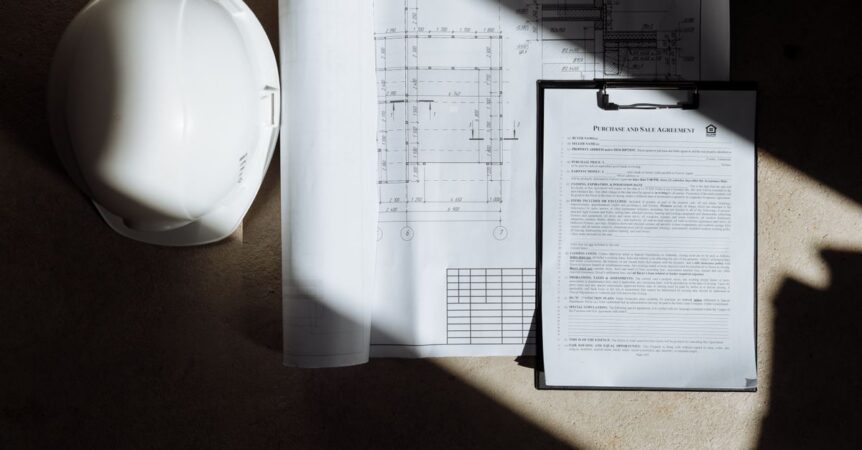
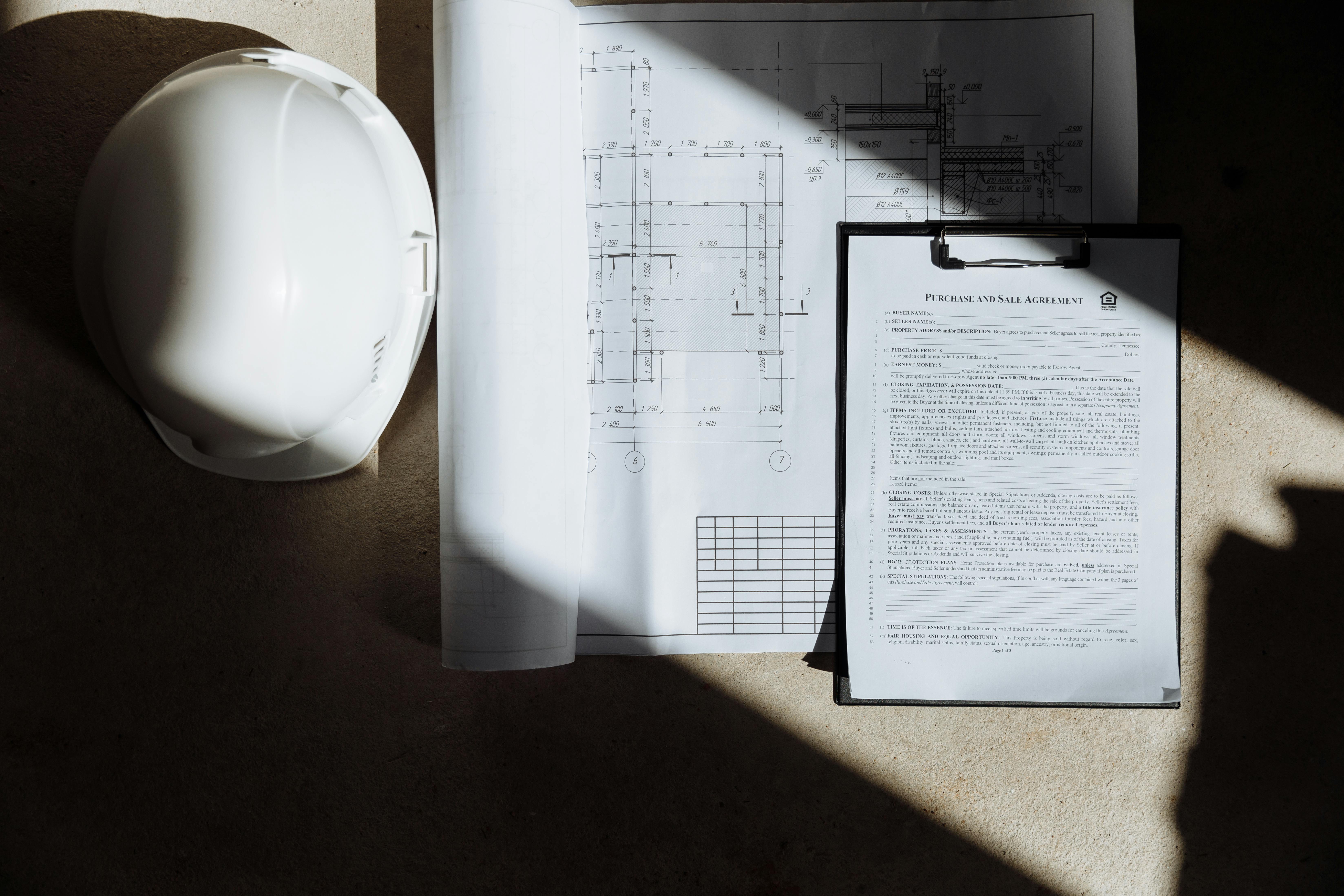
Construction project records encompass all written, digital, photographic, and drawn materials that chronicle a project’s evolution. These may include contracts, plans, change orders, schedules, daily logs, correspondence, RFIs, submittals, meeting minutes, inspection records, and payment documentation. The key is not just collecting documents, but ensuring they are contemporaneous (recorded in real time), complete, organized, and factual.
How Better Project Records Prevent Construction Claims
Disputes in construction are costly and disruptive, whether they relate to schedule delays, scope changes, workmanship, or payment. Meticulous project records are the industry’s frontline defense against such claims for several reasons:
- Clarity in Agreements: Contracts, amendments, and meeting minutes precisely document what was agreed, by whom, and when.
- Evidence in Disputes: Objective, real-time records are trusted over recollections or hearsay in legal or arbitration processes.
- Faster Issue Resolution: Thorough records allow potential problems to be traced and addressed early, reducing escalation.
- Reduced Legal and Expert Costs: Organized records shorten investigations and negotiations in the event a claim does occur.
Project teams that lack robust documentation face increased risk—proving entitlement, timing, or cost can become nearly impossible without a reliable project trail.
Critical Qualities of Superior Project Records
- Contemporaneous: Always recorded in real time, not filled out after the fact.
- Complete: Capture scope, changes, schedules, inspections, and communications across the project lifecycle.
- Objective: Stick to factual descriptions, avoiding subjective commentary and blame.
- Well Organized: Easy to search, link, and retrieve during reviews or audits.
- Consistent Format: Apply standardized templates and structures across projects.
Examples include executed contracts, daily reports with labor and weather, RFIs with responses, change orders with pricing and approvals, photo documentation with timestamps, and indexed correspondence.
Real World Scenarios: Where Records Make the Difference
1. Preventing Scope and Change Order Claims
- Clear baselines—such as signed scope, up-to-date drawings and specs—reduce ambiguity. Organized change order logs with before-and-after documentation ensure reciprocal understanding and fewer surprises.
- RFIs and their responses shed light on design clarifications, which can otherwise be fertile ground for disputes.
- Systematic cost and time impact tracking tied to each change ensures both parties acknowledge revisions to budget or schedule as they occur.
2. Defusing Schedule Delay and Disruption Claims
- Baseline schedules, updated regularly with progress and impact narratives, enable teams to demonstrate the effect of events like weather or material delivery delays.
- Consistent daily logs with weather data and work completed establish a reliable chain of facts when defending against delay claims.
3. Addressing Quality and Defect Allegations
- Inspection records, progress photos, and documented punchlists show when work was performed and according to what standards.
- Material submittals and approvals support compliance with project specifications.
4. Resolving Payment and Extra Work Controversies
- Time and material (T&M) tags with signatures, dated delivery logs, and daily labor/equipment reporting link extra work directly to its authorization.
- When payment rests on quantified backup, thorough documentation is invaluable.

The True Cost: Resolving Claims vs. Preventing Them
Every experienced contractor knows that resolving disputes at the project level is vastly more affordable than litigating them later. Industry sources point out that internal resolutions might represent fractions of a percent of the contract value in costs, whereas formal claims (requiring lawyers, outside experts, and extended investigations) routinely cost many times more. Prevention, powered by robust records, is undeniably the most cost-effective route.
Essential Documentation Elements for Claims Prevention
Daily Reports
- Capture weather, site activities, labor, equipment, deliveries, and disruptions—every working day.
- Fact-based entries, submitted consistently, become irrefutable evidence.
- Photo and video documentation linked to specific dates and work areas, ideally stored centrally.
Change Order Documentation
- Clearly state original and revised scope, rationale, pricing details, and schedule implications.
- Align every change with corresponding field records, supporting calculation and entitlement.
Centralized Correspondence and Minutes
- Store communications, decisions, and action items in a traceable, searchable way.
- Follow verbal agreements with written confirmations—emails or letters—as a matter of policy.
Schedules with Delay and Impact Tracking
- Maintain logic-tied baseline schedules, regularly updated with explanations for changes and progress shortfalls.
Modernizing Documentation with Hubexo’s Approach
While the basics of record keeping are timeless, execution can falter due to paper-based methods and siloed data. Forward-thinking teams turn to construction intelligence platforms for structure and efficiency. Hubexo is at the forefront of this shift. Our North American solutions—including ConstructionWire, Construction Monitor, and Pantera—empower contractors to capture, organize, and leverage project information proactively.
- ConstructionWire: Provides structured project intelligence, helping teams spot risks before bids are placed.
- Construction Monitor: Offers up-to-date permit and development data for visibility across the market.
- Pantera: Delivers end-to-end project management with document storage and communication in one accessible environment.
- QuestCDN and NAPC: Centralize procurement and bidding processes, maintaining traceable records of all project communications.
This ecosystem ensures that documentation is standardized, searchable, and always available to everyone who needs it, significantly reducing wasted time and exposure to disputes.
Building a Practical Documentation Framework
Step 1: Set Your Standard
- Define what “good records” means for your company—covering frequency, scope, minimum content, and retention rules for each type of document.
Step 2: Integrate into Daily Operations
- Treat documentation as essential work, not a separate task to be completed later.
- Incorporate review of documentation into weekly routines and tie quality metrics to KPIs or field incentives.
Step 3: Train and Educate Your Team
- Provide examples where documentation prevented (or failed to prevent) claims.
- Emphasize the contractual and practical implications of proper records.
Step 4: Audit and Improve
- Periodically review records, update templates, and refine processes based on findings. Consistent review leads to continuous improvement.

FAQs on Project Records and Claims Prevention
What records matter most in preventing claims?
Daily reports, contracts and change orders, schedules with updates and narratives, RFIs with responses, photo documentation, and all formal correspondence are the main pillars. The more contemporaneous and objective, the better.
How can digital platforms like Pantera or ConstructionWire help?
They centralize and standardize all project records, eliminating silos and making it easy to retrieve any record instantly—improving both prevention and response to issues. Learn more on the Pantera page.
Does better documentation eliminate claims entirely?
No process prevents all disputes, but disciplined documentation reduces their frequency and severity by clarifying facts and responsibilities as events unfold.
How often should we audit project documentation?
Industry best practice is to audit on a monthly or quarterly basis, reviewing a sample of daily reports, photos, and critical logs, then updating templates and expectations accordingly.
Where can I learn more about strengthening project management practices?
Explore our resources and blog archive, such as improving bid leveling accuracy or guidance on subcontractor compliance checks.
Quick Claims Readiness Checklist
- Are all key contracts, drawings, and amendments digitally organized?
- Do you have a daily report for every workday with weather, activities, and labor tracked?
- Is photo evidence linked to specific dates and activities?
- Are schedules regularly updated with narrative explanations?
- Does every change order include clear scope, cost, and time impact?
- Are verbal agreements always followed by written confirmation?
- Are team members trained on your documentation standards?
If you answer ‘no’ to several of these, your project is vulnerable to disputes and claims.
Conclusion
Strong project records are a strategic asset in construction. They serve as both shield and evidence, helping teams anticipate, address, and resolve potential disputes before they threaten timelines or profits. Investing in clear standards, digital tools, and team training pays dividends throughout every project phase.
If your business is seeking to modernize project documentation, reduce claims risk, or streamline market intelligence and project delivery, explore how Hubexo can help your team build better from the ground up.