

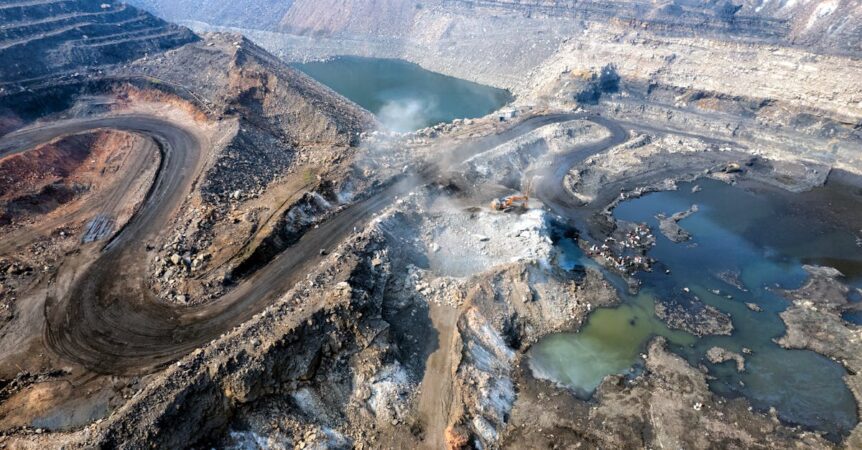
From Prospect to Production: A Practical Guide to the 5 Stages of Mining Projects (with Data You Can Act On)
The journey from the spark of a discovered mineral prospect to a producing mine is a marathon, not a sprint. At Hubexo, we know that making sense of every stage is the difference between missed opportunities and long-term growth for suppliers, contractors, and stakeholders. In this guide, we break down the five essential stages of mining projects, offering a structured pathway with actionable insights—rooted in real data—so that teams can anticipate the moves that matter and translate knowledge into practical wins.
Stage 1: Exploration (Prospect) – Spotting Potential Before Others Do
Mining projects begin in the realm of possibility. The exploration phase is all about uncovering buried potential, often in the world’s least predictable environments. Geologists lead with mapping, sampling, and initial drilling to validate whether a location could become a viable resource. This phase is high-risk, with only a fraction of prospects ever making it to the next stage.
- Data-driven strategy: Early intel is critical. Teams that track new exploration permits, scoping studies, and site discoveries—particularly in high-value minerals like lithium or rare earths—can reach out to project owners, offer essential equipment or services, and establish relationships before formal contracts are set.
- Using Geospatial Tools: Leveraging mapping overlays for drive-time, local demographics, and environmental factors lets you gauge project complexity and logistics requirements early, giving any proposal a clear edge.
- Supplier insight: Those who offered on-site accommodation or drilling support at the exploration phase have historically secured more supplier contracts as a project advances.
Stage 2: Design & Documentation (Planning) – Laying a Solid Foundation
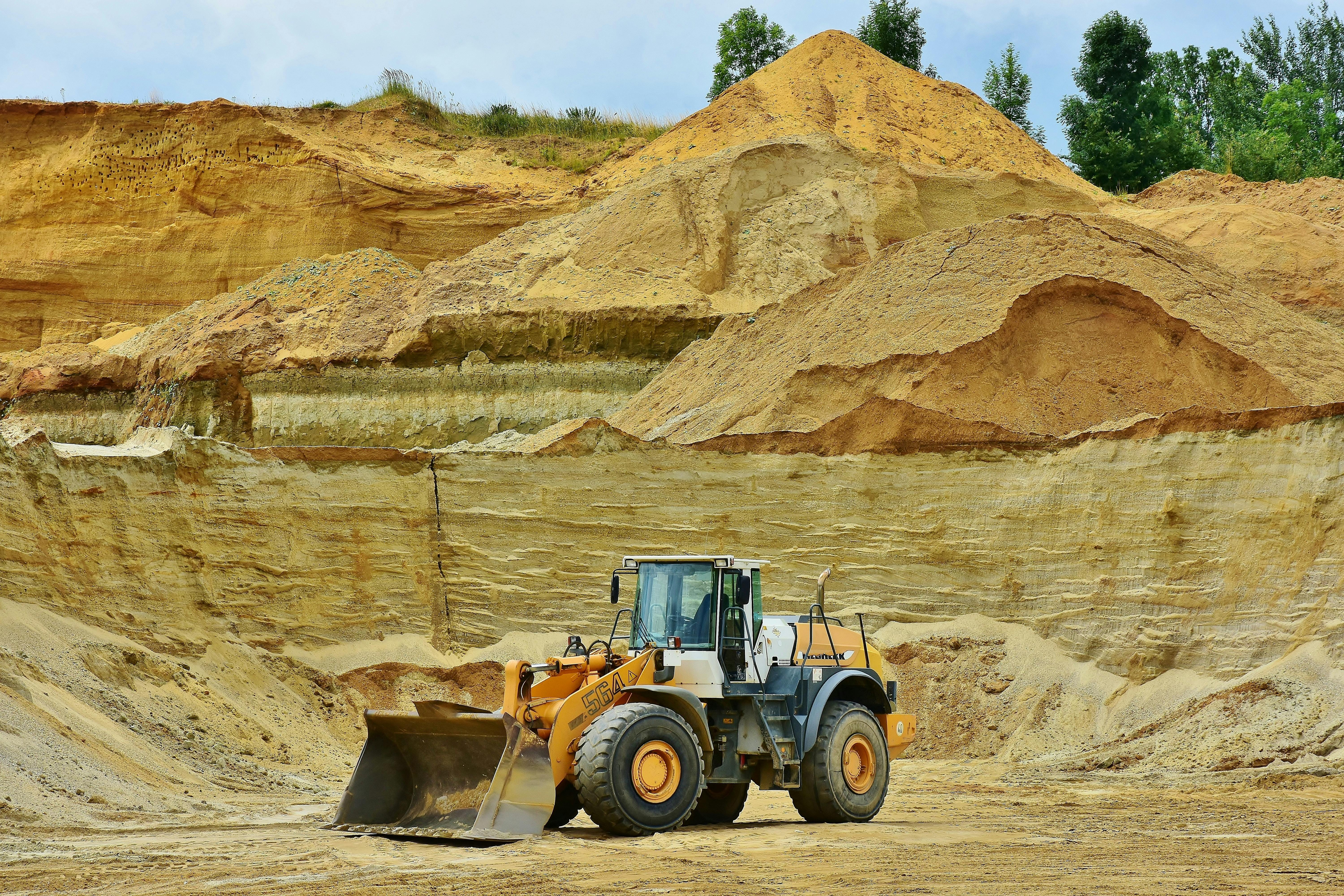
Once exploration confirms potential, mining projects move into intense planning, engineering design, and documentation. This includes economic assessments, environmental studies, and permitting. Each stage—Pre-Feasibility Study (PFS), Definitive Feasibility Study (DFS), and final approvals—brings clarity to what is possible and necessary for a mine’s success.
| Phase | Typical Duration | Key Supplier Opportunities |
|---|---|---|
| Pre-Feasibility Study | 6-12 months | Engineering services, concept design, pre-ESG screening |
| Definitive Feasibility Study | 12-24 months | Detailed engineering, permit advisors, advanced modeling |
| Documentation & Approvals | 1-3 years | Legal and regulatory support, environmental and community engagement |
- Real-time tracking of design and permitting milestones—like development applications or stakeholder approvals—alerts suppliers to project readiness, letting you time your outreach for maximum impact.
- Tailored reporting on appeals, land transactions, or feasibility outcomes lets procurement and estimating teams build data-backed proposals, improving win rates in competitive bids.
Stage 3: Pre-Construction & Construction – Turning Plans into Real Sites
With permits secured, site prep and construction contracts move rapidly. This stage includes the tender process, awarding of contracts, and physical construction of roads, camps, processing plants, and other infrastructure. Here, timing is everything—suppliers who respond quickly to tenders and are aware of project-specific requirements consistently outperform those who arrive late.
- Best practices for securing contracts:
- Monitor active tenders, main contractor selections, and subcontractor opportunities on large-scale projects—especially for earthworks, crushing facilities, and access roads.
- Leverage mapping tools (like Geospex overlays) to build logistics-smart bids, factoring in transportation distances, climate, and political jurisdictions.
- Follow up promptly after major package awards. We’ve seen that a significant share of procurement happens in the months following first awards, as new suppliers are added to fill unexpected needs.
- Tracking competitor history across hundreds of projects can help your bids stand out with proven performance statistics and cost transparency.
Stage 4: Production (Operational) – Extracting Real Value
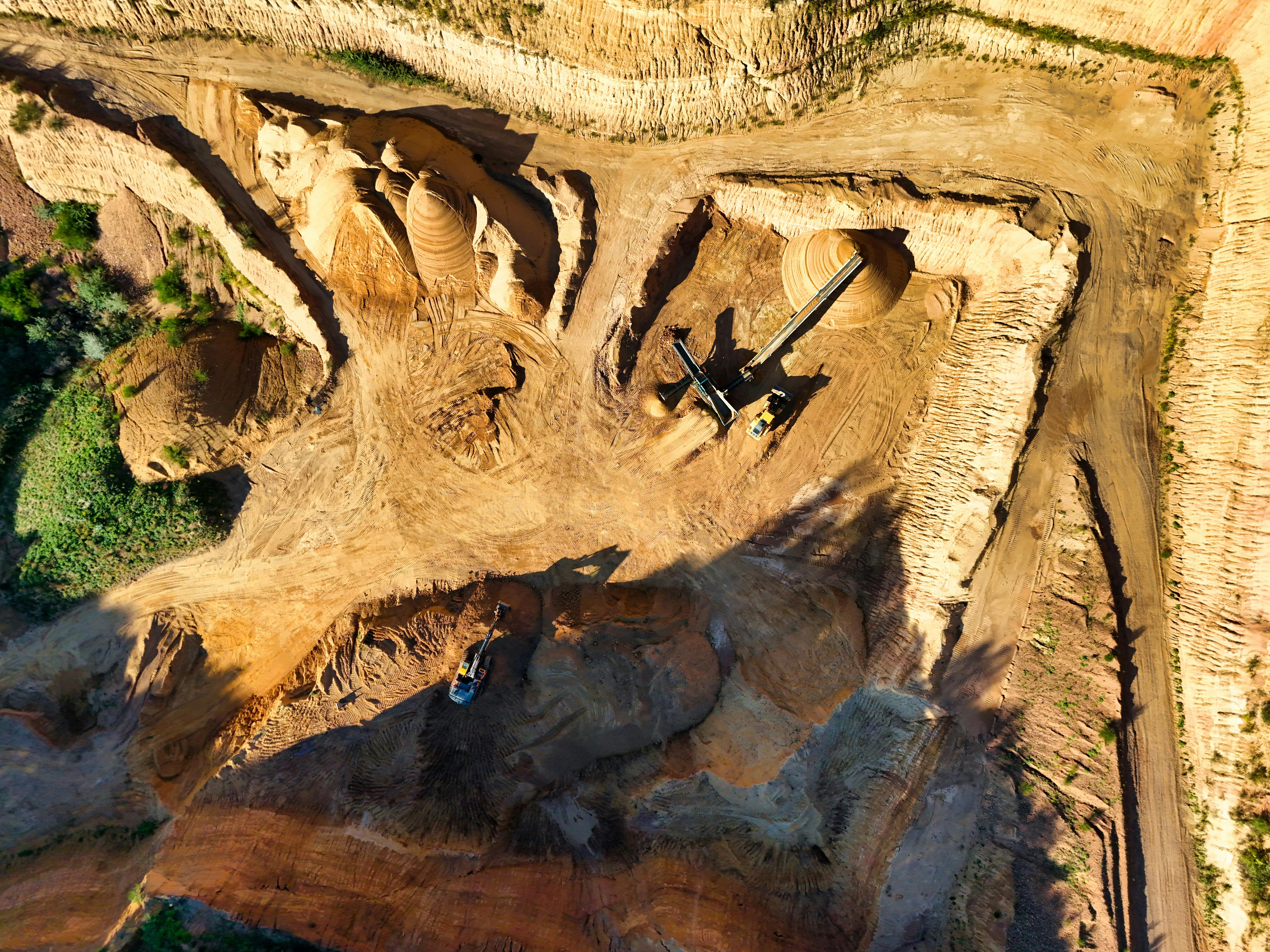
The production phase is the project’s heartbeat—processing ore, running plants, managing labor, and dealing with continuous maintenance. This stage stretches for years, sometimes decades, and represents the greatest opportunity for suppliers to add value at scale and grow recurring relationships.
- How to maximize supplier involvement:
- Identify scheduled maintenance periods, equipment replacement windows, and infrastructure refits by watching for subtle progression signals in production data.
- Surface operations and underground mines differ significantly in operational complexity, cost, and upgrade cycles. Segmenting opportunities by mine type can increase bid relevancy and win rates.
- Leverage historical site trends to propose upgrades or products before requests are formally issued—this proactive engagement routinely leads to increased supplier visibility and trust.
- Stay close to decommissioning plans, as this can give savvy suppliers a head start on support contracts for upcoming shutdowns or transition phases.
Stage 5: Closure & Reclamation – Delivering a Responsible Exit
No mine is forever. Closure and reclamation see teams dismantling operations, remediating environmental impacts, and restoring land. While this phase is often last in line for attention, it is increasingly tied to regulatory, community, and ESG (Environmental, Social, and Governance) expectations—and new supplier opportunities.
- Where to add value:
- Track which sites are approaching closure, what permits are required, and which contractors are selected for demolition and recovery work.
- Bid on services such as site teardown, heavy equipment removal, or eco-restoration products. Closure bids are often overlooked until late in the project lifecycle, creating a window for agile suppliers to step in.
- Align product and service positioning to sustainability and circular economy goals: more projects than ever require certified reclamation, ecological monitoring, and material recycling solutions.
Connecting the Dots: From Data to Real Value
At Hubexo, we see the mining project lifecycle not as a sequence of paperwork, but as a living process that can be decoded, tracked, and optimized through timely insights and data. The opportunity is not just about being present—it is about being proactive, knowing who to contact at each stage, and providing tailored intelligence that drives actionable decisions.
If you’re aiming to spot early-stage mining projects, time your proposals, or capitalize on closure phase opportunities, you’ll find detailed guides in our resources and event reports. For a look at how digital strategy can accelerate opportunity capture, see our detailed perspective in this post on AI, BIM, and public bids. Or, for a big-picture approach to leveraging analytics for smarter project decisions, review how construction analytics is shaping the future of project delivery.
Ready to Transform Mining Projects into Real Results?
Navigating the path from prospect to production is challenging, but teams empowered with the right information win more, waste less, and make a positive mark on the industry. If you’re ready to see how data-driven insights can drive your next move in mining or construction, reach out to us at Hubexo. Together, we help the world build, connect, and grow—sustainably and smartly.