


AI + BIM + Public Bids: How Contractors Will Find and Win More Work in 2026 (QuestCDN, ConstructionWire, Product Intelligence Use Cases)
As we move towards 2026, we’re seeing technology transform every aspect of how contractors find, qualify, and win public work. At the intersection of AI (Artificial Intelligence), BIM (Building Information Modeling), and streamlined public bidding platforms, a new level of efficiency and opportunity is emerging. If you’re looking to do more than just survive in the competitive public sector landscape, you need to understand how to bring these tools together for real, sustainable growth.
The New Competitive Landscape: Why Contractors Must Adapt Now
Just a few years ago, public bid hunting was all about endless website refreshes, manual PDF reviews, and making educated guesses about upcoming opportunities. Technology started to chip away at inefficiencies, yet a massive gap remained between the companies using traditional methods and those building integrated, digital-first workflows. Today, that gap is widening rapidly. Contractors who stay ahead not only discover more projects, but have more time and data to craft better bids—and ultimately deliver more successful projects. Here’s how we see the future shaping up.

1. Bid Discovery in 2026: Intelligence, Not Just Aggregation
The Problem with Old-School Bid Search
Chasing public work has always meant wading through siloed city, state, and agency portals. Even with aggregation sites, you’re often left sifting through irrelevant postings or missing out on projects that perfectly match your strengths. That’s not just frustrating—it’s lost revenue and wasted estimator hours.
How AI-Enhanced Bidding Transforms Discovery
Platforms like QuestCDN have been game-changers for contractors. Rather than simple listing sites, they combine powerful search, massive coverage of public agency postings, and filtering that learns and updates to your specific criteria: geography, project value, sector, and required certifications. For our clients, this switch means:
- No more missed bid postings due to manual review gaps
- Custom alerts so that qualified leads land in your inbox as soon as they’re published
- Segmentation by scope, so estimating teams can act immediately on the right opportunities
This means your team spends less time searching and more time pursuing projects where you actually stand a strong chance to win.
Context is Everything: Bringing in Market Intelligence
Of course, just seeing a bid isn’t enough. You need context to know what’s shaping market demand, who is behind upcoming work, and whether you’re entering the race early or late. ConstructionWire shines here, layering intelligence such as project pipelines, decision-maker contacts, and trend analysis. For example, if you spot a new municipal health facility bid, you can immediately see if it’s part of a larger expansion wave or identify a pattern in a health system’s procurement. This lets you nurture relationships and anticipate future opportunities—not just scramble for today’s bid.
2. Improving Your Bid with Data-Driven Estimation and BIM
AI-Driven Estimating: Cutting Through the Complexity
Manual takeoffs, spreadsheet-driven estimations, and back-and-forths with suppliers led to delays and costly errors. In our workflow, embracing AI in estimating has been a revelation:
- Automated plan review and material takeoff dramatically reduce labor hours
- Historical project data feeds into predictive models, helping catch long-lead items or cost outliers early
- AI flags constructibility issues, surfacing potential RFIs before they become problems on site
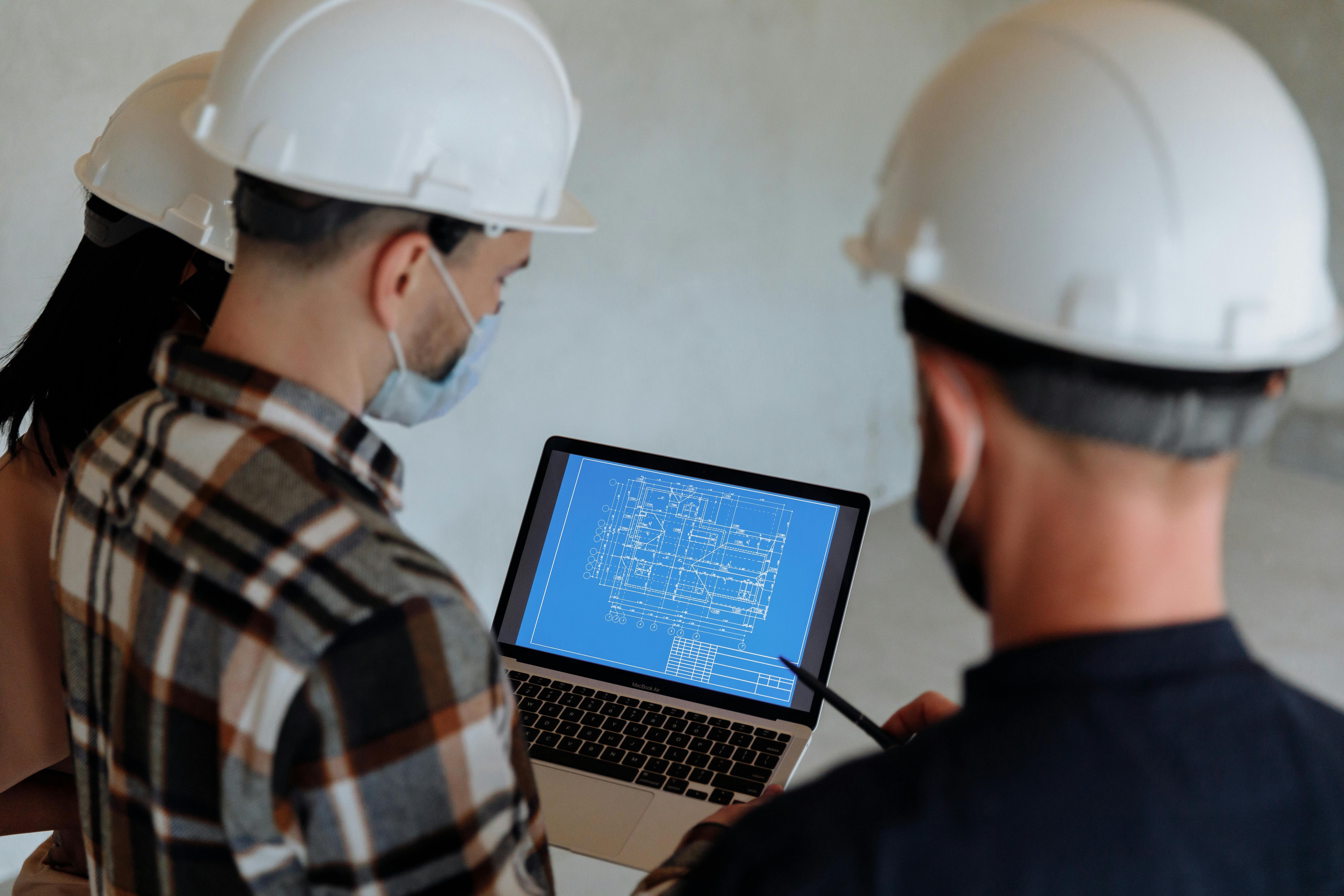
This is especially powerful when integrated with BIM. While the industry’s had BIM for a while, the new era is about embedding estimation, scheduling, and value engineering within the model itself. We’re now confident submitting bids that reflect true material availability, realistic schedule risks, and optimal means and methods, all modeled digitally before anyone steps on site.
Smarter Specifications: Leveraging Product Intelligence
Project success often hinges on specifying products that are readily available, cost-effective, and tried-and-true for similar facilities. Product Intelligence gives us a unique edge here:
- See which product brands are specified most in your target markets and verticals
- Identify local suppliers for quick lead times and reliable support
- Correlate material selections with owner preferences to de-risk your bid acceptance
This creates a direct feedback loop between bidding and construction delivery—if lead times spike for a certain flooring type or finishes are being value-engineered on similar projects, you’ll know before finalizing your proposal.
BIM as the Coordination Hub
Let’s not overlook BIM’s other superpower: coordination. When your construction team, estimators, and procurement specialists all work off a living digital model, you catch issues early. For instance, if a supplier’s timeline doesn’t align with your construction schedule, the impact is evident instantly. BIM also helps highlight where substitutions or alternate means-and-methods can deliver value, all before shovels hit the ground.
3. AI-Powered Progress and Quality: Keeping Projects on Track
Why Real-Time Tracking is the Next Big Leap
Winning the bid is step one; profitable project delivery is where long-term success lies. Relying solely on in-person site reporting is old news. Modern teams capture regular 3D scans or drone imagery and feed data directly back to models. This allows AI to instantly:
- Compare built conditions with plans to spot schedule slips and quality gaps
- Alert managers in real time if progress lags behind schedule
- Identify safety or compliance issues before they threaten deadlines
This continuous feedback keeps teams focused on what matters, cuts risk, and sets up positive client relationships through transparency and accountability.
4. Practical Workflow: Putting It All Together for 2026
Week-by-Week: Building a Winning Routine
- Week 1: Bid Alerts & Intelligence: Configure smart alerts in QuestCDN, context-check with ConstructionWire for bigger-picture understanding.
- Week 2: Rapid Estimation: Use AI tools for automated takeoffs and build your estimate inside an integrated BIM model.
- Week 3: Data-Backed Proposal: Apply insights from Product Intelligence to source preferred materials, coordinate suppliers, and propose value-engineered options.
- Week 4–Project Start: With the bid won, transfer data directly into project management dashboards. Implement progress tracking processes through BIM and AI-driven reporting.
Each phase smooths the path to profitability, making your bids smarter and your delivery more predictable. Over the course of a year, these efficiencies stack up—less wasted time, more successful bids, and stronger client relationships.

5. Tracking Your Success: What Metrics Matter?
- Bid Response Time: How quickly you move from new posting to qualified assignment
- Estimating Labor Hours: Quantify reductions after implementing AI and BIM workflows
- Win Rates: Are you increasing bids won relative to bids submitted?
- Schedule Predictability: How many projects are now finishing on or ahead of plan?
- Change Order Impact: Are you reducing surprises during delivery thanks to better up-front data?
Tracking these KPIs over several months reveals whether your investments are moving the needle in meaningful ways. This data also arms you with concrete results for future go/no-go bid decisions, protecting your profit margins and company reputation.
Getting Started: A Phased Path to Transformation
It doesn’t take a rip-and-replace overhaul to begin. We advise teams to start with the most urgent pain point—often bid discovery—and scale from there:
- Start with QuestCDN alerts and ConstructionWire market research
- Layer in AI estimation and BIM for more complex projects
- Adopt Product Intelligence to inform specs and reduce material delays
- Introduce AI-powered field capture and BIM updates as soon as feasible
This pragmatic approach makes digital transformation manageable and lets you demonstrate results at every stage.
Looking Ahead: Will You Lead or Follow?
With public projects under intense scrutiny and competition fierce, the pressure to adapt is greater than ever. The infrastructure for a smarter, more agile bidding and delivery process is here. By bringing bid intelligence, estimation, BIM, and smart field tracking together, you’re not just chasing work—you’re positioning your company to lead and grow in the evolving construction landscape of 2026.
We invite you to see how these platforms and strategies come together within the Hubexo ecosystem: learn more and connect with our team about creating your own blueprint for success in the AI and BIM era.