Best States for Utility-Scale Wind Development in the U.S. Right Now
The landscape for utility-scale wind development in the United States is highly dynamic, shaped by a mix of geology, policy, infrastructure, and community engagement. Today, a handful of states stand out for their optimal blend of wind resources, enabling policies, and established markets, making them the best destinations for wind energy projects. For professionals, investors, and landowners seeking sustained growth, knowing where to focus wind development efforts is vital—and that’s where our expertise at Hubexo becomes invaluable, empowering construction and energy stakeholders with leading market intelligence across North America.

Definition: Utility-Scale Wind Development
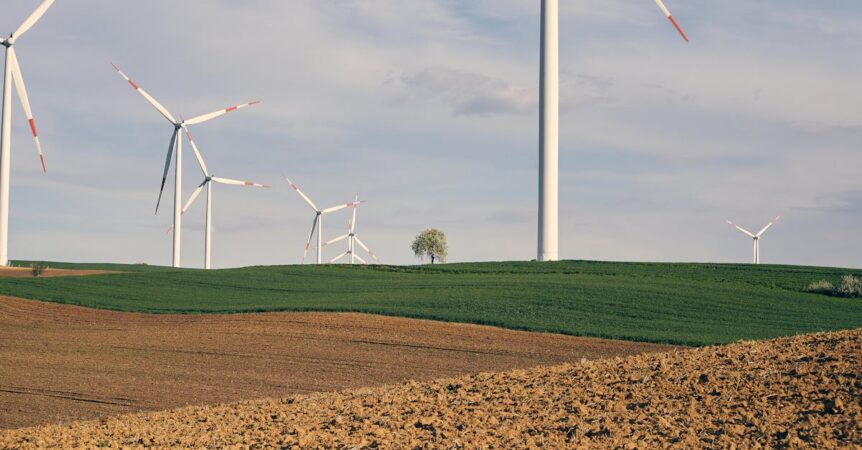
Utility-scale wind refers to large wind farm projects designed to supply significant amounts of electrical power directly to the grid, typically managed by utility companies or large independent developers. These installations differ from community or residential wind turbines in both scale and operational requirements, and they are central to state and federal renewable energy targets.
Where Wind Development Thrives: Top U.S. States
In the current market, Texas, Iowa, Oklahoma, Kansas, and Illinois are widely recognized as the premier U.S. states for utility-scale wind development. These states combine favorable wind conditions with proactive policy frameworks and established supply chains, enabling rapid project deployment and reliable returns for stakeholders. Here’s what makes each stand out.
Texas: America’s Wind Power Titan
Texas leads all states in installed wind capacity and energy output. Its vast geographic expanse, consistent wind patterns, fewer zoning hurdles, and dedicated transmission corridors create a robust environment for large-scale wind projects. The presence of experienced contractors, efficient permitting, and proven grid infrastructure further cement Texas as the flagship state for developers and suppliers. Many businesses find that Texas provides a reliable, low-risk market for expanding their wind portfolios, particularly for those leveraging insights from Hubexo’s extensive project data.
Iowa: Proving the Economic and Environmental Case
Iowa is a leader in wind penetration, generating over 60% of its in-state electricity from wind. Its flat landscape and central location mean consistent wind and easy access to transmission networks. Agricultural landowners play a key role, with wind farms offering stable secondary revenues. Policies in Iowa continue to encourage expansion, supporting both community and investor goals.
Oklahoma & Kansas: Consistency, Land, and Community
Oklahoma and Kansas possess some of the nation’s most reliable wind resources, with ample open land making utility-scale project siting easier and less contentious than in densely populated regions. State policies encourage continued wind growth, and community familiarity has reduced local opposition. These factors combine to make Oklahoma and Kansas attractive to developers seeking long-term, scalable opportunities.
Illinois: Driving Economic Impact Through Wind
Illinois showcases the broader economic benefits wind energy brings to states willing to invest. Besides substantial electricity generation, the state has benefited from increased tax revenues and positively engaged landowners. With ongoing infrastructure investment and clear renewable energy goals, Illinois maintains its status as a top wind market for both new projects and operations and maintenance services.
Rising Opportunity States
Beyond the top five, states like Colorado, New Mexico, California, North Dakota, Minnesota, and Wyoming are experiencing fast growth in wind capacity and generation. These states exhibit:
- Strong wind resources and geography suitable for turbine installation
- Expanding grid infrastructure and transmission projects
- Supportive renewable energy standards and incentives
At Hubexo, we continuously analyze data from these emerging regions to help our clients anticipate market shifts and identify promising sites and sectors before competitors do. If you’re seeking opportunities among rising states, leveraging detailed market intelligence is essential for proactive site selection and partnership identification.

Key Factors for State Wind Market Ranking
When selecting locations for utility-scale wind investment and development, leading market participants—guided by Hubexo’s frameworks—consistently assess these criteria:
- Wind Resource Quality: Optimal annual average wind speeds at hub height
- Land Availability: Expansive, undeveloped tracts for large-scale projects
- Transmission & Grid Access: Proximity to major substations and robust grid capacity, which reduce bottlenecks and interconnection costs
- Policy Environment: State renewable portfolio standards, incentives, and streamlined permitting processes
- Economic Incentives: Federal and state tax credits, grants, and local financial support
- Community & Agricultural Support: Willing landowners, established wind lease markets, and track record of community engagement
Evaluating these factors holistically can help de-risk investment and accelerate projects. Many teams rely on up-to-date construction intelligence from Hubexo to streamline research and coordinate multi-state expansion.
Offshore Wind: Atlantic States on the Rise
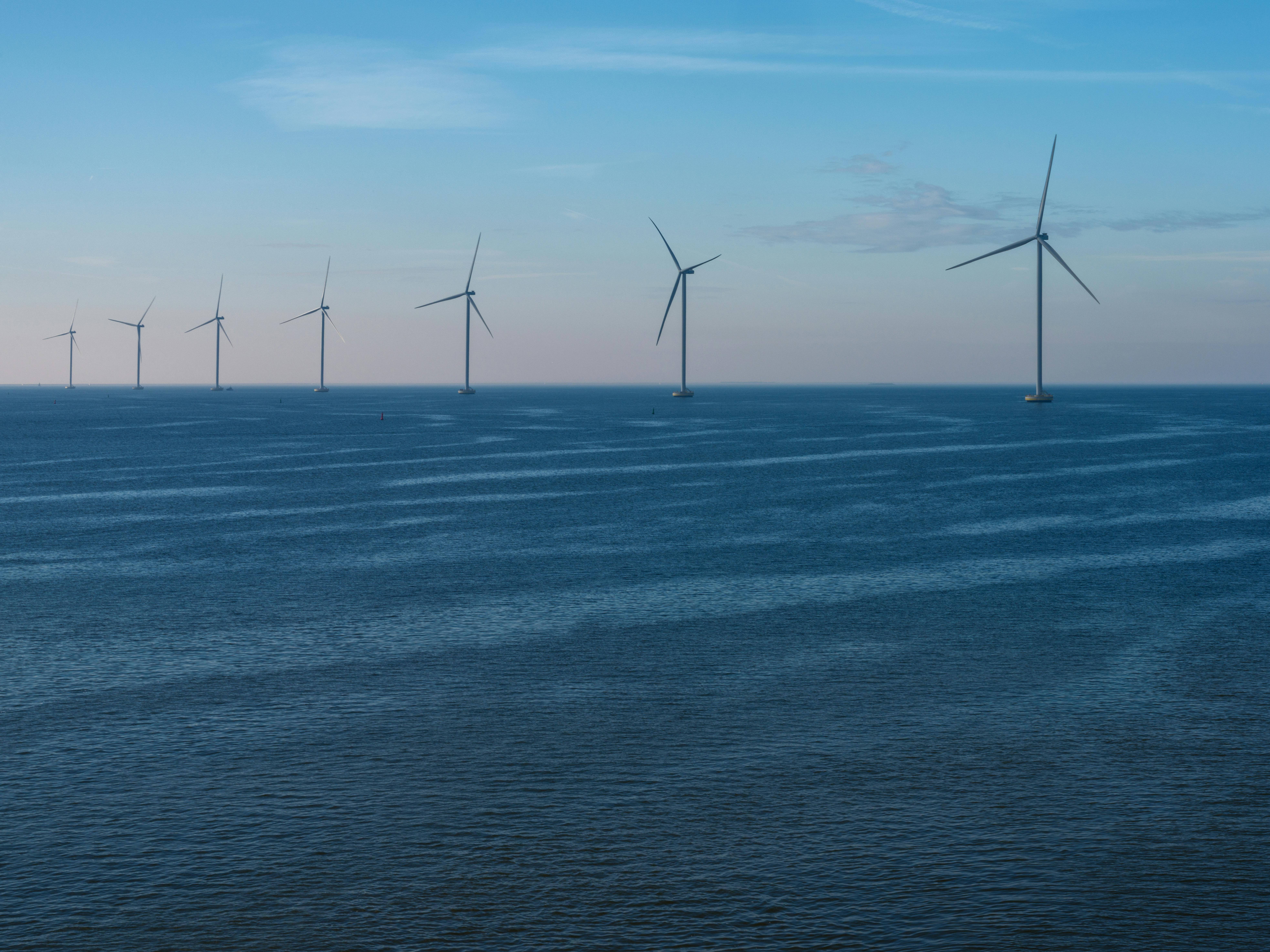
While most capacity remains onshore, Atlantic coastal states like Massachusetts, New York, New Jersey, Delaware, and Virginia are advancing offshore wind as a new growth frontier. Offshore wind projects hold promise for extremely high generation potential and resilient infrastructure, particularly for states with dense coastal populations and aggressive clean energy mandates. Their success is closely tied to emerging grid upgrades and federal policy developments that are actively tracked by the Hubexo team.
Step-by-Step Framework: Evaluating State Wind Potential
- Assess Existing Wind Resources: Consult wind maps and historical generation data at various hub heights.
- Analyze Land and Transmission: Map available parcels and identify proximity to substations and transmission corridors for cost-effective interconnection.
- Review Policy and Incentive Environment: Compare renewable portfolio standards, tax credits, and zoning requirements.
- Engage Local Communities: Research community sentiment, agricultural lease rates, and local regulatory considerations.
- Project Market Growth: Leverage forecasts like those curated by Hubexo to anticipate shifts in project announcements and job creation.
- Monitor Permitting Timelines: Analyze how quickly projects move through local and state agencies.
By rigorously following this framework, developers and investors can make data-driven decisions, reducing risk and improving project returns.
Best Practices for Utility-Scale Wind Teams
- Stay updated on policy changes and transmission buildouts, as these directly impact project economics.
- Build local relationships early—proactive outreach to landowners, municipalities, and regulatory authorities smooths permitting.
- Integrate construction and project data, using platforms like ConstructionWire for tracking early-stage projects and Construction Monitor for understanding permit trends.
- Benchmark against similar projects in priority states to identify risks and opportunities.
- Incorporate ESG data into market analysis to enhance project appeal for institutional investors.
The leading wind markets favor teams that combine market intelligence, stakeholder engagement, and process expertise. Hoping to dig deeper? Our past analysis of wind turbine manufacturers and supply chain risks offers practical lessons for every project stakeholder.
FAQ: Utility-Scale Wind Development in Leading U.S. States
What makes Texas the top state for utility-scale wind projects?
Texas offers a unique combination of abundant wind resources, dedicated transmission infrastructure, fewer regulatory hurdles, established construction and service supply chains, and aggressive renewable targets. Its market depth continuously attracts new developers and suppliers.
How do policy changes affect wind project siting?
State and federal policies that incentivize renewables, streamline permitting, and invest in grid upgrades make wind projects faster and more cost-effective to develop. Tracking these changes early—such as via curated reporting from Hubexo—gives businesses a competitive edge.
Are offshore wind projects viable in the U.S.?
Yes, Atlantic states like Massachusetts, New York, and New Jersey are advancing ambitious offshore wind programs supported by both state targets and federal investments. These will reshape the utility-scale wind map in the coming years.
What should landowners in top wind states consider?
Landowners in high-potential states like Texas, Iowa, and Oklahoma can secure stable income through wind leases with minimal disruption to other operations. Engaging with reputable developers and consulting up-to-date databases can maximize lease value and minimize issues.
How can developers find upcoming wind projects?
Platforms such as ConstructionWire and permit intelligence tools enable real-time tracking of new wind project leads, regulatory filings, and competitive activity. Many leading teams rely on the consolidated insights from Hubexo to spot opportunities early.
What risks exist for new wind entrants in the top states?
While established states offer proven markets, competition is intense and supply chains are mature. Emerging states may offer first-mover advantages but may also bring longer permitting or execution timelines. A balanced portfolio, informed by robust data, is key.
How does wind energy complement other renewables?
Wind development often aligns with solar and storage investments, creating flexible, resilient energy systems—especially in states like California where both resources are strong.
Conclusion: Market Intelligence Powers Profitable Wind Growth
The U.S. wind market is led by Texas, Iowa, Oklahoma, Kansas, and Illinois, offering deep, established opportunities—and a wave of new growth is emerging in the Midwest, Rockies, and Atlantic coastal states. For developers, suppliers, and property owners, connecting the dots between site conditions, policy advantages, and emerging trends is what ensures project success. That’s why so many turn to Hubexo for construction intelligence, real-time tracking, and market foresight in the renewable energy landscape.
If you’re ready to identify, analyze, and act on the best wind opportunities, visit the Hubexo homepage. With a proven history in construction data and unmatched commitment to sustainable, data-driven growth, we’re here to help you build smarter—today and for the long term.