Greenbuild 2025 Recap: What Contractors Should Do Now to Win 2026 Sustainable Projects
Greenbuild 2025 was a benchmark event for sustainability in construction, and for those of us at Hubexo who work side by side with contractors, it’s clear this year’s conference was about tangible action, not just bold ideas. Whether you’re a general contractor, a subcontractor, or a construction manager, the roadmap to winning 2026 sustainable projects is being drawn right now. From new LEED standards to innovative material solutions, let’s unpack what matters most and how you can move from learning to leading in sustainable construction.
Major Trends from Greenbuild 2025 Every Contractor Needs to Know
- LEED v5 rolls out stricter requirements for carbon, occupant wellness, and resilience. Contractors must prepare for rigorous documentation and reporting.
- Low-carbon material choices and waste management commanded attention. Environmental Product Declarations (EPDs) and robust recycling plans aren’t optional—they’re the new baseline.
- Zero Net Energy (ZNE) is becoming code in places like California and on the horizon elsewhere.
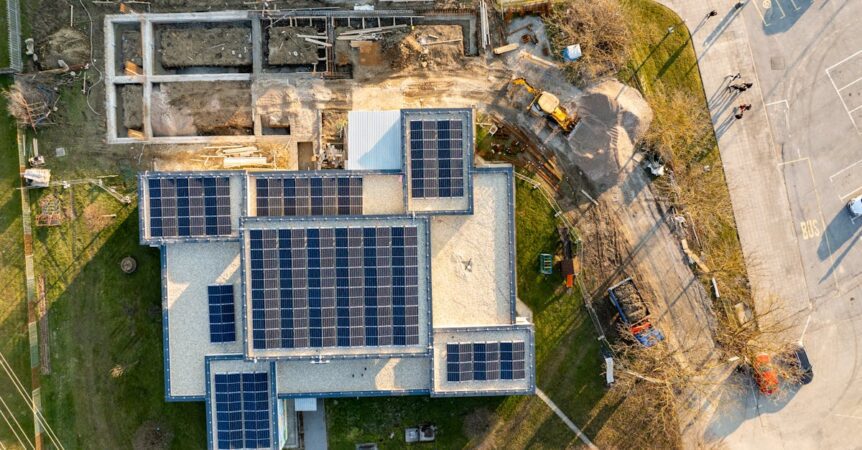
- Smart building tech adoption is mainstream—from integrated photovoltaics to energy management platforms.
- The project pipeline is already shifting toward certified, high-performance green buildings.
1. Train & Certify Teams for the Next Wave of Standards
We’ve seen firsthand how contractors who proactively train and upskill their teams are the first to land the premium sustainable contracts. LEED v5 has new focuses—such as near-zero carbon and human-centric environments. That means project managers, superintendents, and field engineers need to understand not just documentation, but also the intent and methods behind credits for things like glare control or climate adaptation.
- Invest in accredited training for LEED v5, Passive House, and resilience-focused construction.
- Update internal workflows for new LEED v5 prerequisites and reporting.
- Make continuing education part of your team’s career path.
Deep expertise here differentiates your bids and eases client fears about compliance.
2. Build Partnerships for Renewable Energy and Smart Infrastructure

The demand for Zero Net Energy (ZNE) buildings is not just a West Coast issue anymore—it’s pulled into RFPs on both sides of North America. Contractors who invest in relationships with vetted solar integrators, energy management consultants, and smart building specifiers are positioning themselves for long-term success.
- Outline your go-to partners for solar, wind, energy storage, and advanced controls for RFP responses.
- Learn from recent innovations and align with early-adopter developers.
- Add step-by-step internal guides for delivering projects with solar panels, transparent solar windows, or energy storage.
3. Make Sustainable Materials and Waste Management Standard Practice
Across hundreds of project profiles we track at Hubexo, the difference between the most successful contractors and the rest often comes down to material transparency and jobsite waste performance. Don’t just let architects specify the sustainable materials—develop your own preferred lists for EPD- and HPD-backed products, Red List–free options, and suppliers that prioritize recycled content.
- Mesh material procurement with sustainability targets—your project managers and estimators need to speak the same language as environmental consultants.
- Modular and prefabrication strategies can help you control quality, reduce waste, and improve documentation for credits.
- Adopt jobsite protocols that divert at least 75% of construction and demo waste—this is becoming the standard, not the exception.
4. Grow Your Pipeline With Green Building Certifications
Clients know green certifications command higher property values, better ROI, and stronger marketing narratives. Contractors who build up expertise—whether it’s LEED, Passive House, or regional programs—open the door for those high-margin projects.
- Ensure your staff are accredited and your internal processes aligned with official requirements.
- Leverage data (including what we offer at Hubexo) to spot and pursue certified project leads, so your business development never lags behind emerging opportunities.
- Budget for the admin and documentation needed on green projects; this sets realistic expectations and makes for happy clients.
5. Use Technology Thoughtfully to Automate and Report
Tech is the bridge to scale. It’s not just about managing your jobs—real-time project and materials tracking, permit and lead databases, and ESG reporting make compliance a natural part of operations. At Hubexo, we’ve seen contractors reduce admin by using platforms like ConstructionWire for project tracking and Construction Monitor for up-to-date permit research. For those who want to analyze facility interiors, Product Intelligence offers comparative data to help select the best sustainable materials. We encourage teams to integrate these insights for compliance gains and time saved.
Looking for more on the benefits of digital workflows and analytics in construction? Our blog on how construction analytics is shaping the future of project delivery dives deep into why data-driven contractors get ahead.
Contractor’s Green Project Readiness Checklist
| Action Item | Timeline | Key Metrics |
|---|---|---|
| Staff LEED v5 / ZNE / Passive House accreditation | Q4 2025 – Q2 2026 | Full project team coverage, annual certifications reviewed |
| Renewables partnership onboarding (solar, wind, storage) | Q4 2025 – Q3 2026 | Signed MOUs or term sheets with suppliers, tracked in CRM |
| Preferred materials/supplier matrix for EPD, HPD, Red List–free, recycled | Q1 2026 | 75%+ project waste diversion, 50%+ preferred material utilization |
| Sustainability and carbon tracking technologies integrated | Q1–Q2 2026 | Automated reports delivered for project handovers, 60% admin reduction |
| Targeted outreach on green certified project leads using construction intelligence tools | Q1–Q4 2026 | 30% increase in qualification rate for RFPs with sustainability scope |
Position Your Team to Win: Next Best Steps
- Map out your internal and external education plan for the next 12 months, linking to both accreditation and client-facing deliverables.
- Update your project prequalification checklists with 2025 standards.
- Streamline your bid management using optimized workflows—see our guide on improving bid leveling accuracy.
- Organize sustainable vendor and subcontractor relationships in your bid software, to speed up RFP completion and compliance sign-offs.
- Invest in data—track leads, trends, and certifications through platforms that work for your team’s strengths.
Looking Forward: Sustainable Construction Isn’t a Trend—It’s the New Reality
We’re entering a phase where sustainable construction isn’t a set distinction, it’s becoming the expectation for every project. The sooner we embrace new standards, smart partnerships, and transparent material protocols, the sooner we all build better. At Hubexo, we’re committed to giving you the intelligence and insights to identify, target, and win the projects that will define your success in 2026 and beyond. Let’s catch the momentum from Greenbuild 2025 and stay ahead of the curve—together.
If you’re ready to explore the opportunities in sustainable construction, or need real-time leads and compliance data for your next bid, reach out via our contact page—let’s shape the future of the built environment.